Electric Motorcycle vs Gas: Which One Makes Sense in Mexico 2026
We break down the key differences between electric and gas-powered motorcycles to help you make the best buying decision in Mexico.
Electric Motorcycle vs Gas Motorcycle: Pros and Cons
Choosing between an electric motorcycle and an internal combustion one is one of the most important decisions anyone looking for efficient mobility in Mexico faces today. Both options have real advantages and drawbacks worth weighing carefully before you invest. At Scooter Directo, we break down both worlds so you can compare, make an informed decision, and — if you're already a rider — leave your review and help others do the same.
How Does Each One Work?
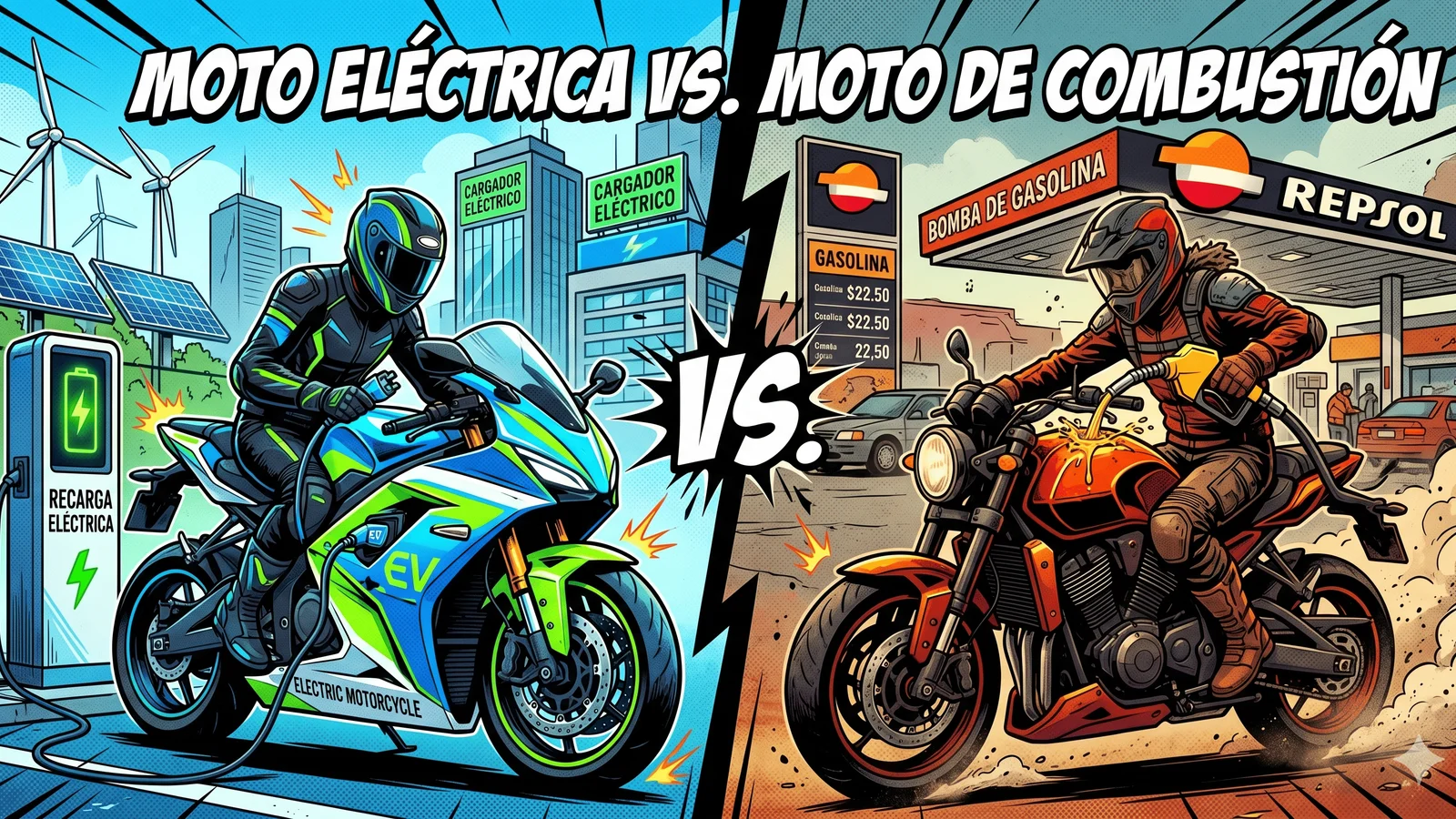
Before diving into the pros and cons, it helps to understand the fundamental difference. An internal combustion motorcycle works by burning gasoline or diesel in an engine that converts chemical energy into mechanical movement. An electric motorcycle, on the other hand, uses one or more electric motors powered by a rechargeable battery — no combustion, no direct emissions.
This difference in energy source is what determines practically everything else: costs, maintenance, performance, and the overall riding experience.
Pros and Cons of Electric Motorcycles
Advantages
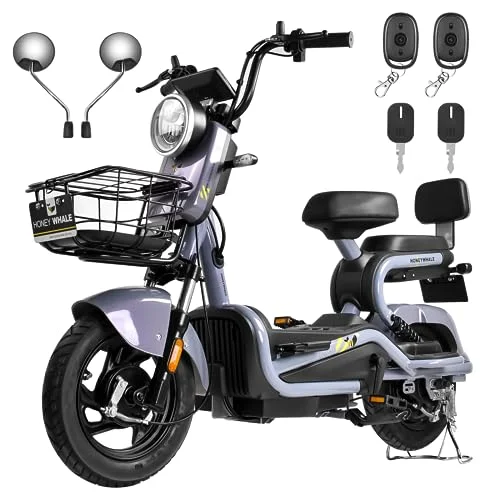
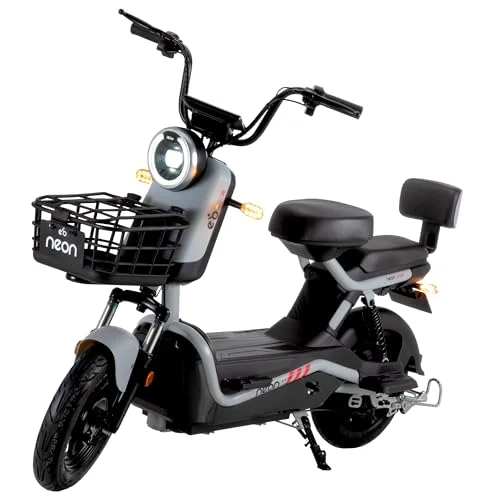
- Lower operating costs. Electricity is considerably cheaper than gasoline in Mexico. Charging the battery of an electric scooter — like those from brands such as NUUV, iScooter, or NEON in our catalog — can cost a fraction of what you'd spend on fuel for an equivalent trip.
- Simpler maintenance. Without a combustion engine, electric motorcycles eliminate oil changes, filters, spark plugs, and timing belts. Fewer moving parts means fewer failure points.
- Zero direct emissions. They produce no exhaust gases, making them ideal for riding in urban areas with environmental restrictions or simply for reducing pollution in cities like Mexico City.
- Quiet ride. The electric motor runs almost silently, improving the riding experience and cutting down on noise pollution.
- Instant torque. Power delivery is immediate from the moment you accelerate, resulting in the kind of nimble response that's genuinely useful in city traffic.
Disadvantages
- Limited range. Most mid-range electric scooters have a range that may fall short for longer trips or for riders who can't easily recharge.
- Charging time. Even with fast chargers available, recharging a battery still takes longer than filling up a gas tank.
- Sparse charging infrastructure. In many parts of Mexico, public charging points are still limited, which can cause range anxiety on trips outside the city.
- Higher upfront cost. A good-quality electric motorcycle typically has a higher entry price than a gas motorcycle with similar features.
- Battery degradation. Over time and charge cycles, battery capacity decreases, and replacement can represent a significant expense.
Pros and Cons of Gas Motorcycles
Advantages
- Greater range. With a full tank, a gas motorcycle can cover considerably longer distances without stopping.
- Fast refueling. Filling up takes just a few minutes, and gas stations are available virtually anywhere in the country.
- Lower entry price. In the entry-level and mid-range segments, gas motorcycles tend to have a lower upfront cost.
- Established service ecosystem. There's a wide network of repair shops with trained mechanics and readily available parts throughout Mexico.
Disadvantages
- Higher operating costs. Gas prices in Mexico fluctuate and have historically trended upward, directly affecting users' monthly budgets.
- Frequent maintenance. Oil changes, filters, tune-ups, and brake and transmission checks generate recurring expenses that add up over time.
- Polluting emissions. Combustion engines emit CO₂, nitrogen oxides, and particulates that contribute to air pollution — a critical problem in metropolitan areas.
- Noise and vibration. The engine produces levels of noise and vibration that, with daily and prolonged use, can become fatiguing.
- Environmental restrictions. In cities with vehicle emissions testing programs or environmental contingency alerts, gas motorcycles may face circulation limits.
Which One Is Right for Your Lifestyle?
The answer largely depends on your usage context:
- If you mainly commute in the city, make short to medium trips, and have access to a charging point at home or work, an electric motorcycle is the most efficient and cost-effective option in the medium and long run. Brands like HONEYWHALE, Qlaway, EBIQ, and CENTURFIT offer models built for everyday urban use.
- If you frequently travel between cities, live in an area with limited charging infrastructure, or need maximum range without worrying about stops, a gas motorcycle is still the most practical choice today.
- If you're looking for a balance between innovation and practicality, it's worth checking out models from iScooter or NEON in our catalog, comparing their specs, and reading reviews from real users.
Conclusion
There's no universal answer to the question of which is better: an electric motorcycle or a gas one. What does exist is a more suitable option for each type of rider. The global trend — and increasingly the reality in Mexico — points toward electric mobility as the dominant path for urban two-wheeled transportation. That said, infrastructure, budget, and personal habits remain determining factors.
At Scooter Directo you can compare models, check updated prices, and read real user experiences. If you already own an electric motorcycle, your review can help others make a better decision. Compare, choose wisely, and ride smarter.